Many of us chase that mythical creature called "happiness," only to be left feeling frustrated when life throws curveballs our way. We’re told to "think positive" and "stay motivated," but sometimes, that just doesn't cut it. What if the key to emotional well-being isn't about avoiding negativity, but about training our brains to respond differently? I spent years seeking a sustainable approach to emotional regulation, dabbling in mindfulness and positive affirmations, and the frustration mounted. Then, when I came across Richard Davidson's "The Emotional Life of Your Brain," I discovered a science-backed approach to cultivate emotional well-being through neuroplasticity. This book felt like finding the missing piece of a puzzle – a straightforward method to shape my emotional responses from the inside out.
That's the true path to emotional regulation and a fulfilling life.
The Life-Changing Insight from "The Emotional Life of Your Brain"
Your emotional well-being isn't fixed; it's a skill you can develop, just like learning a sport.
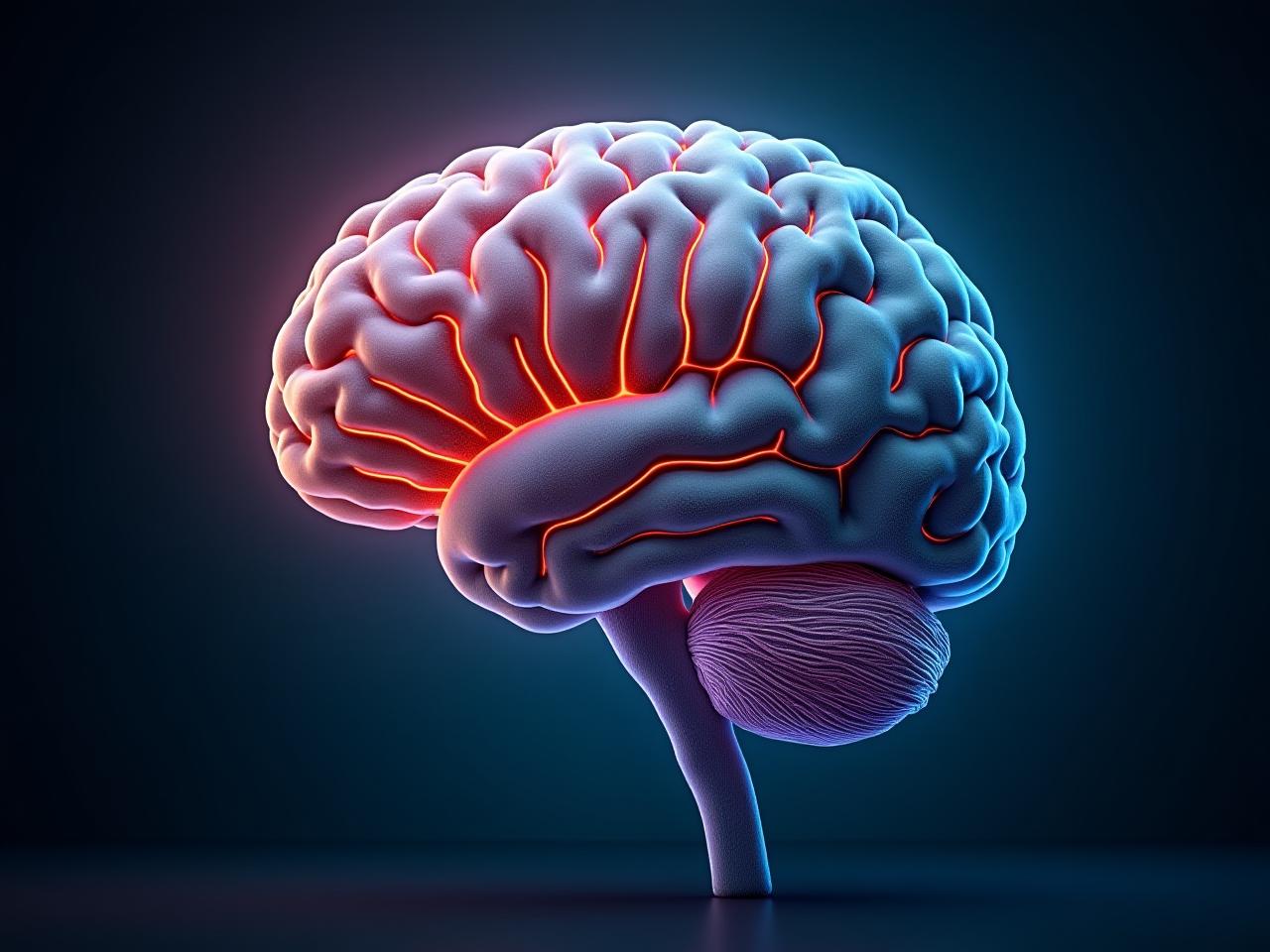
Davidson reveals that our brains are remarkably adaptable. Specific brain circuits are responsible for different emotional styles, like resilience, outlook, social intuition, self-awareness, context sensitivity, and attention. The exciting part? We can strengthen those circuits through targeted practice, a process called neuroplasticity. It's like hitting the gym for your mind.
> "Well-being is fundamentally no different than learning to play the cello. If one practices the skills of well-being, one will get better at it." - Richard J. Davidson, The Emotional Life of Your Brain
This idea works because our brains are constantly rewiring themselves based on our experiences. Each thought, emotion, and action reinforces certain neural pathways, making them stronger over time. By intentionally practicing skills that promote positive emotions and resilience, we can literally reshape our brains for the better. Think of it like building muscle memory – consistent effort leads to lasting change.
Action Plan: 4 Simple Steps for Immediate Implementation
1. Emotional Check-In
Take a few minutes each day to identify and name your emotions.
Recognizing what you're feeling is the first step to managing it. Don't judge your emotions; simply acknowledge them. For example, instead of saying "I'm stressed," try "I'm feeling anxious about the upcoming deadline." Start a daily journal to write down your feelings. You can do it while drinking morning coffee and make it a habit.
Tip: Use an "emotion wheel" for help identifying nuanced feelings.
2. Practice Loving-Kindness Meditation
Cultivate feelings of warmth and compassion towards yourself and others.
This practice involves directing positive intentions towards yourself, loved ones, and even those you find challenging. Loving-kindness meditation can reduce feelings of social isolation and increase positive emotions. Start with five minutes daily, focusing on sending wishes of happiness and well-being to yourself, then gradually extend it to others. It's about building a muscle.
Tip: Use guided meditations to help you stay focused.
3. Mindful Breathing Exercises
Use mindful breathing to calm your nervous system during moments of stress.
Deep, diaphragmatic breathing activates the parasympathetic nervous system, which helps to reduce stress hormones and promote relaxation. Practice box breathing (inhale for 4, hold for 4, exhale for 4, hold for 4) for a few minutes whenever you feel overwhelmed. It is the restart botton for your feelings.
Tip: Use a meditation app with breathing guidance and reminders.
4. Gratitude Journaling
Reflect daily on things you are grateful for.
Focusing on the positive aspects of your life can shift your mindset and boost your overall well-being. Write down three things you appreciate each day, no matter how small they may seem. It could be a beautiful sunset, a kind gesture from a friend, or simply a good cup of coffee. It's a quick way to improve the mood.
Tip: Keep your gratitude journal by your bedside for easy access.
How I Applied This Method in My Own Life
I used to be a chronic worrier, constantly anticipating the worst-case scenario. This anxiety took a toll on my relationships and my overall sense of well-being. After reading Davidson's book, I started practicing loving-kindness meditation and mindful breathing exercises daily. At first, I struggled to stay focused and felt silly sending positive intentions to strangers. But, over time, I noticed a significant shift in my mindset.
I became less reactive to stressful situations and more compassionate towards myself and others. My relationships improved, and I felt a greater sense of inner peace.
A game-changer for me was combining mindful breathing with visualization. I would imagine myself successfully navigating challenging situations while focusing on my breath. This helped me to build confidence and reduce anxiety in real-time.
```
3 Common Mistakes and How to Avoid Them
1. Mistake: Expecting immediate results.
* Instead of: Giving up after a few days of practice, try: Committing to a consistent practice over several weeks. Remember, neuroplasticity takes time and repetition. Think of it as physical training for your mind.
2. Mistake: Focusing solely on eliminating negative emotions.
* Instead of: Trying to suppress or avoid difficult feelings, try: Accepting your emotions without judgment and using coping strategies like breathing exercises to manage them. Emotional regulation is about balance, not suppression.
3. Mistake: Believing you don't have time for these practices.
* Instead of: Feeling overwhelmed by the idea of adding more to your plate, try: Starting with just a few minutes each day and gradually increasing the duration as you become more comfortable. Even five minutes of mindfulness can make a difference.
The Final Word: Start Today
Your emotional well-being is a skill you can cultivate, and it's never too late to start. By intentionally practicing these simple techniques, you can reshape your brain for greater resilience, happiness, and fulfillment. Even applying 10% of Davidson’s method can lead to a significant reduction in stress and a measurable improvement in your emotional state.
What small step can you implement today to begin rewiring your brain for a happier, healthier you?
Frequently Asked Questions
Q: How long does it take to see results from these practices?
A: It varies from person to person, but many people report noticeable improvements in their mood and stress levels within a few weeks of consistent practice. Be patient and persistent. The key is consistency.
Q: What if I struggle to stay focused during meditation?
A: That's perfectly normal! When your mind wanders, gently redirect your attention back to your breath or the object of your meditation. Don't get discouraged; it gets easier with practice. Consider using a guided meditation app.
Q: Can these techniques really help with anxiety and depression?
A: Yes, research shows that mindfulness practices and loving-kindness meditation can be effective tools for managing anxiety and depression. However, it's important to consult with a mental health professional for personalized guidance and treatment. Remember to always seek a professional if feeling any negative way.